Soft Tissue Laser
Revolutionising Dental Procedures
Soft Tissue Laser Melbourne CBD
In modern dentistry, technology is crucial in enhancing patient care and comfort.
One such innovation that has revolutionised dental procedures is the soft tissue laser.
Unlike traditional dental tools, soft tissue lasers offer a gentler approach to treating oral conditions.
Understanding Soft Tissue Lasers
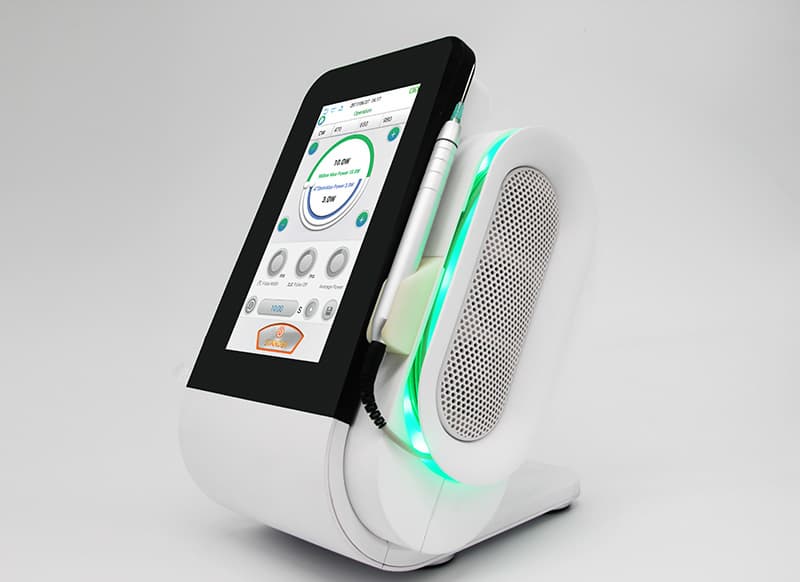
Soft tissue lasers are specialised devices that utilise focused light energy to perform precise dental procedures on tissues such as gums, tongue, and inner cheeks.
Unlike conventional tools like scalpels or drills, soft tissue lasers operate by delivering concentrated light energy, which vaporises or cuts through tissue with remarkable accuracy.
The wavelength of the laser determines its specific applications and tissue interactions.
Applications of Soft Tissue Lasers
Soft tissue lasers find extensive use across various dental procedures, including:
Gingival Troughing
One of the key applications of soft tissue lasers is in gingival troughing. This technique involves creating a small channel around a tooth to make impressions for dental crowns or bridges. Soft tissue lasers make this process quick and efficient, reducing discomfort for the patient.
Gingivectomy
A gingivectomy is performed when excess gum tissue needs to be removed, such as in gum disease, or to improve aesthetics. Soft tissue lasers offer a precise way to remove the excess tissue, resulting in less bleeding and faster healing than traditional methods.
Coagulation
Soft tissue lasers can also be used for coagulation, which helps control bleeding during dental procedures. Lasers lower the risk of problems and increase patient comfort by rapidly and effectively closing blood arteries.
Diodes & Orthodontics
Soft tissue lasers play a significant role in orthodontics by exposing unerupted teeth and facilitating tooth movement during treatment. The laser helps remove soft tissue obstructions and can even speed up tooth movement, leading to shorter treatment times.
Diodes and Implantology
In implant dentistry, soft tissue lasers help expose implants and prepare the surrounding tissue for optimal osseointegration. This precise method ensures better outcomes for implant procedures.
Diodes and Endodontics
Soft tissue lasers are invaluable in endodontic procedures for disinfecting root canals. Lasers increase the success rate of root canal procedures by efficiently eliminating bacteria within the canal.
Frenectomy / Tongue-tie Release
A frenectomy involves the removal of a small fold of tissue that restricts movement, often seen in cases of tongue-tie or lip-tie. Soft tissue lasers make this procedure quick and painless, with minimal bleeding and faster healing.
Fibroma Removal
Soft tissue lasers offer a gentle and precise way to remove fibromas, benign growths commonly found in the oral cavity. The laser vaporises the tissue while minimising damage to surrounding areas.
Operculectomy
An operculectomy, frequently performed on wisdom teeth, removes extra gum tissue that covers a partially erupted tooth. Soft tissue lasers make this procedure efficient and comfortable for the patient.
Treatment of Aphthous Ulcers & Herpetic Lesions
Soft tissue lasers relieve patients suffering from painful aphthous ulcers and herpetic lesions by promoting faster healing and reducing discomfort.
Diodes in Periodontitis
In the treatment of periodontal disease, soft tissue lasers can target and remove infected tissue while promoting the regeneration of healthy gums. This targeted approach improves outcomes and reduces the need for invasive procedures.
Low-Level Laser Therapy / Biostimulation
Low-level laser therapy, known as biostimulation, involves using soft tissue lasers at lower power levels to stimulate healing and reduce inflammation. This non-invasive technique accelerates tissue repair and provides pain relief for patients.
How Soft Tissue Lasers Work
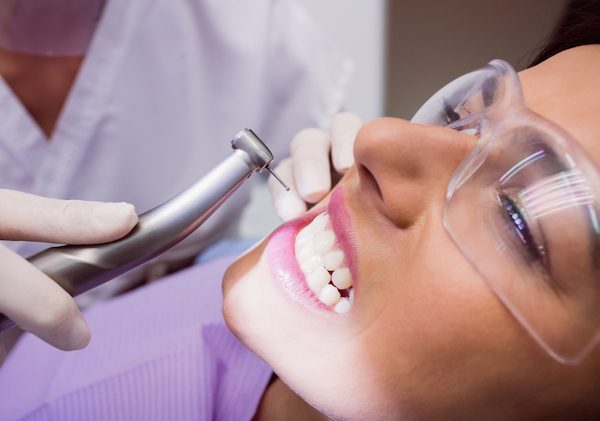
Soft tissue lasers operate on selective photothermolysis, a fancy term that essentially means targeting specific tissues without harming surrounding areas.
Water molecules or pigmented structures in soft tissue absorb the laser beam when it touches them.
This absorption generates heat, effectively vaporising or coagulating the targeted tissue while leaving adjacent tissues unharmed.
Types of Soft Tissue Lasers
There are several types of soft tissue lasers commonly used in medical practice:
- Carbon Dioxide (CO2) Lasers: CO2 lasers are among the most widely used soft tissue lasers in various medical fields. They operate at a wavelength highly absorbed by water molecules, making them ideal for precise cutting and vaporisation of soft tissues.
- Diode Lasers: Diode lasers emit light at a wavelength that is well-absorbed by haemoglobin and melanin, making them suitable for procedures involving vascular lesions or pigmented tissues. They are often used in dermatology and dentistry for tasks like gingival contouring and teeth whitening.
- Erbium Lasers: Erbium lasers are versatile tools capable of ablating soft tissues with minimal thermal damage. They are commonly employed in dentistry for procedures such as cavity preparation and dermatology for skin resurfacing and wrinkle reduction.
Benefits of Soft Tissue Lasers
The adoption of soft tissue lasers offers numerous benefits for both healthcare providers and patients:
Precision
Soft tissue lasers allow precise tissue targeting, minimising damage to surrounding structures and promoting faster healing.
Minimally Invasive
Compared to traditional surgical methods, soft tissue laser procedures are often less invasive, reducing pain, swelling, and recovery time.
Versatility
Soft tissue lasers can be used for various medical applications, offering healthcare providers greater flexibility in treatment options.
Reduced Risk of Infection
The high-energy light emitted by soft tissue lasers can sterilise the treatment area, reducing the risk of postoperative infections.
Soft Tissue Laser in Melbourne CBD
Experience the future of dentistry with soft tissue laser! Ask your Melbourne CBD dentist about incorporating this advanced technology into your next dental procedure for precision, comfort, and superior outcomes.
Say goodbye to discomfort and hello to a brighter, healthier smile with soft tissue lasers.
At Art De Dente Melbourne CBD, we will work closely with you to find the perfect dental improvement for you.
Call us on (03) 9642 8955 or request an appointment online.
We are located at Level 17, 190 Queen Street in Melbourne CBD.
Frequently Asked Questions
Are soft tissue lasers safe?
Yes, when used by trained professionals following safety protocols, soft tissue lasers are considered safe with minimal risks.
How long does a typical laser procedure take?
The procedure duration varies but is often shorter than traditional methods due to the laser’s efficiency.
Are there any side effects associated with soft tissue laser treatment?
Minor side effects like discomfort or swelling may occur temporarily, but they typically resolve quickly with proper care.
How long does it take to recover from a laser dental procedure?
Recovery from laser dental procedures is usually quicker than traditional surgery. Patients may experience mild discomfort or swelling, typically resolving within days. Dentists offer post-procedure care instructions to aid healing and minimise discomfort.
Can anyone undergo a laser dental procedure?
Does insurance cover laser dentistry?
Are laser dental procedures more costly than conventional dental procedures?
Due to advanced technology and procedure complexity, laser dentistry may be pricier than traditional methods. However, considering benefits like faster healing and better outcomes is essential for evaluating its overall value.
Where can I find a dentist who offers soft tissue laser treatment?
Many dental practices, such as Art De Dente Melbourne CBD, offer soft tissue laser treatment. You can inquire with your current dentist or search online for providers. For optimal results, choose a reputable professional with experience in laser dentistry.