
White Spots On Teeth Treatment
Causes, Treatment and Prevention
White Spots On Teeth Treatment Melbourne CBD
White lesions, commonly called white spots on teeth, typically indicate tooth decay.
Your teeth may develop small pits or holes when the enamel begins to erode. This causes the cavities to turn white as they fill with bacteria and plaque.
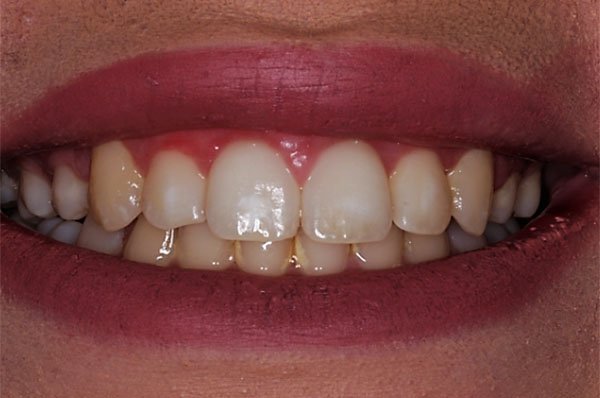
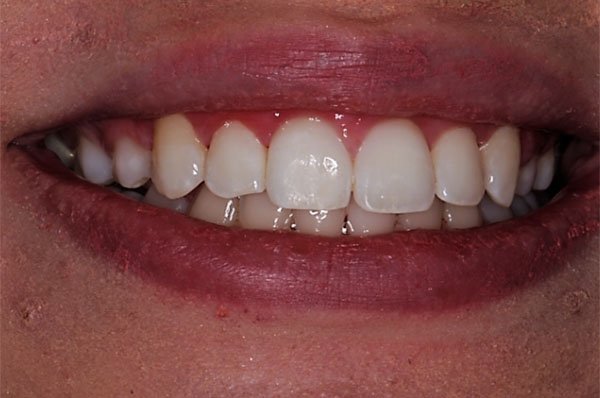
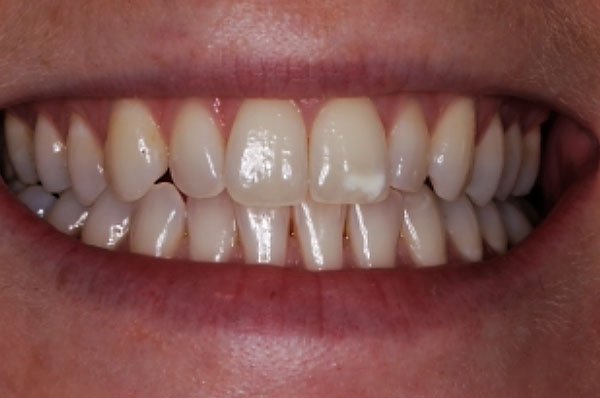
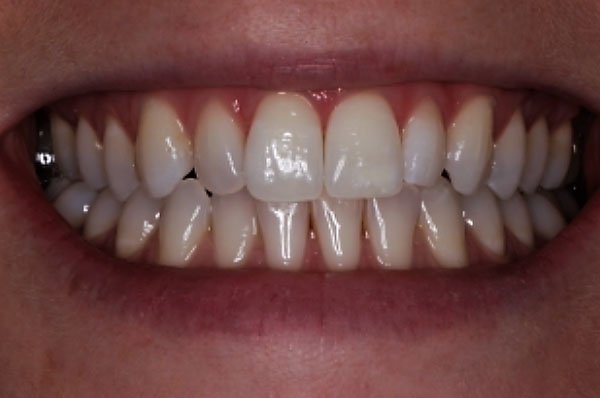
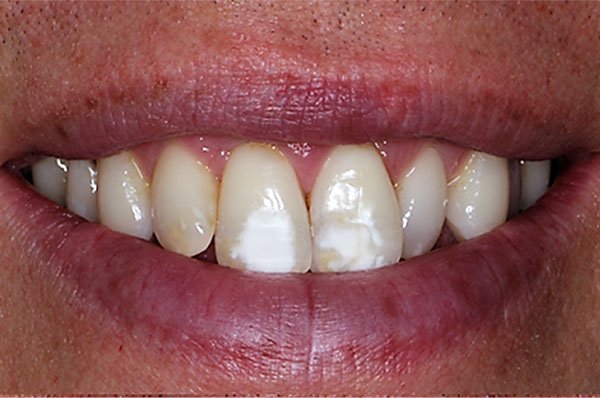
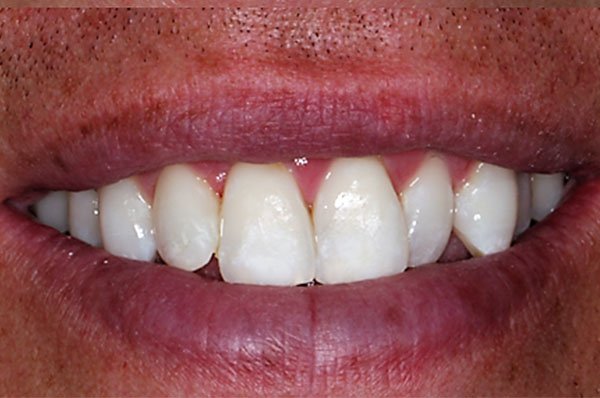
Fluorosis Case Studies
Causes of White Spots On Teeth
White spots on teeth can occur for other reasons besides tooth decay. A variety of factors can bring them on.
Following are some typical causes:
Demineralisation
Demineralisation, also known as decalcification, is the formation of white patches on teeth caused by long-term bacteria growth in the mouth and subsequent mineral loss of the tooth. Thus, white patches caused by demineralisation could indicate tooth decay.
Enamel Hypoplasia
It is a condition characterised by a defect in the thickness and quality of enamel. Several factors, including starvation, cigarette smoking during pregnancy, premature birth, or a high fever from an illness, can result in enamel hypoplasia. People with these white spots may be more vulnerable to sensitivity and degradation in those regions, so they should keep an eye on them.
Fluorosis
Fluorosis is a common condition in children caused by excessive fluoride exposure. Although fluoride has many benefits, too much can cause tooth discolouration. Fluoride supplements, toothpaste, and tap water are all potential sources of excess fluoride.
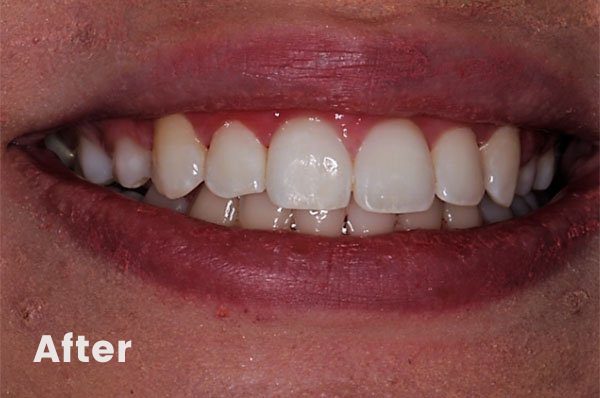
Treating White Spots On Teeth
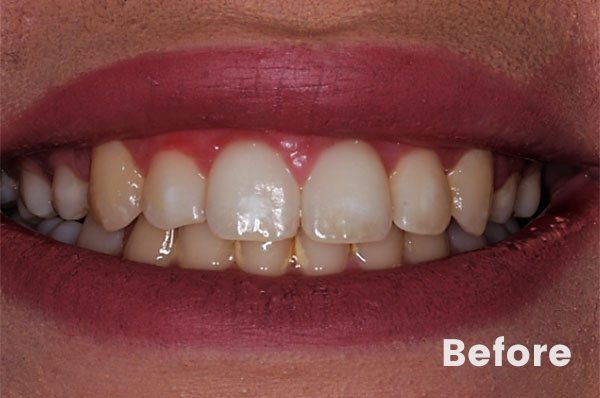
If you have them, there are a few different methods for treating white spots on your teeth.
Your Options
White spots on teeth can be treated by your dentist using a variety of methods, such as:
Microabrasion
To lessen the visibility of the spots, a dentist removes a very small layer of enamel. After microabrasion to achieve a consistent tooth colour, many patients want to whiten their teeth professionally.
Teeth Whitening
White spots on the teeth can be reduced by using teeth whitening products and treatments. The objective is to match the tooth’s colour to the white spots.
Icon Resin Infiltration Technique
The Icon teeth treatment employs resin infiltration o restore the tooth’s aesthetics. The procedure is quick, minimally invasive, and produces long-term effects.
The dentist will etch the teeth for 2-3 minutes for this treatment, opening the microtubules that lead down to the white spots.
Next, the dentist will apply the infiltration resin, which flows into the microtubules and fills the defects after multiple repetitions.
Dental Veneers
Dental veneers are extremely thin protective covers applied to the tooth’s front. Dental veneers are only utilised after other treatment methods have failed and in difficult situations of white patches and unattractive enamel defects.
White Spots On Teeth Treatment in Melbourne CBD
If you are concerned about white spots on your teeth, contact your Melbourne CBD dentist today.
At Art De Dente Melbourne CBD, we are committed to ensuring that you are our priority throughout your entire visit and kept completely at ease with the highest levels of comfort.
For your white spots on teeth treatment in Melbourne CBD, call us on (03) 9642 8955 or request an appointment online.
We are located at Level 17, 190 Queen Street in Melbourne CBD.
Frequently Asked Questions
Can white spots on teeth go away?
White spots on teeth must be treated to disappear. Your Melbourne CBD dentist may suggest one of several treatments to remove white spots to restore your smile’s confidence.
How long do white spots last on teeth?
White spots on the teeth can either go away on their own, need treatment, or last a lifetime, depending on their underlying cause. For instance, white teeth spots caused by dehydration (from sleeping with your mouth open) may disappear within hours.