
TMD Treatment
DO YOU SUFFER FROM CHRONIC HEADACHES OR FACIAL PAIN?
TMD Treatment Melbourne CBD
These can be the result of dental stress and a condition known as Temporomandibular Joint Disorder or TMD.
TMD can result in severe headache and facial pain and also result in impairment of the normal functioning of the jaw.

- Myofascial pain, the most common form of TMD, which is discomfort or pain in the muscles that control jaw function and the neck and shoulder muscles.
- Internal derangement of the joint, meaning a dislocated jaw or displaced disc, or injury to the condyle.
- Degenerative joint disease, such as osteoarthritis or rheumatoid arthritis in the jaw joint.
Symptoms of Temporomandibular Jaw Disorder or TMD
Here are some of the symptoms of TMD:
- Radiating pain in the jaw, face, neck or shoulders
- Pain or tenderness around the ear when chewing, speaking or opening your mouth wide
- Stiff jaw muscles, or jaws that get stuck or locked
- Painful clicking, popping or grating sounds in the jaw joint when opening or closing your mouth
- Difficulty or discomfort when chewing due to a change in the way your upper and lower teeth fit together
- A tired feeling in the face
It is important to note that TMD can also cause earaches, hearing problems, toothaches and even depression in some cases. Experts believe that no two TMD sufferers experience the same symptoms and pain, which makes correct diagnosis more challenging.
Causes of TMD
The functioning of the Temporomandibular joint (TMJ), combines an up-and-down hinge action with side-to-side sliding motions. The TMJ can get damaged due to undue strain or abnormal wear & tear.
This can result in excessive stretching of the jaw ligaments, displacement of the articular disc, or the overworking of jaw muscles.
Some of the most common causes of TMD include:
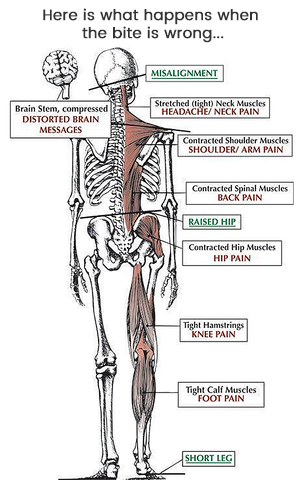
- A bad bite (Poor Occlusion) caused when your teeth don’t fit together, or you have an uneven ‘bite.’
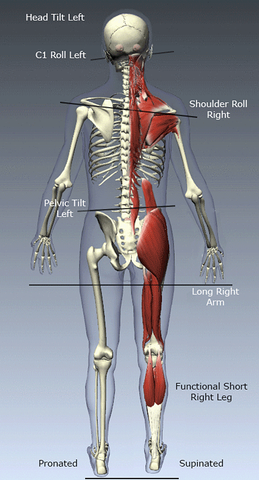
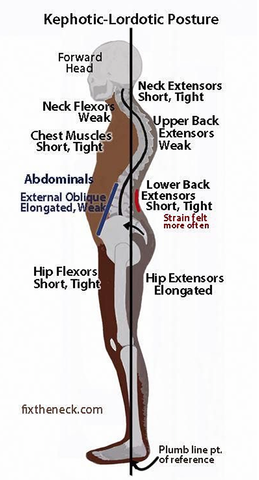
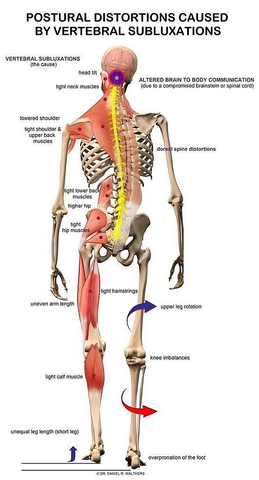
- Abnormal head and neck posture (which may itself be the result of some accident or injury)
- Poor nutrition and a lack of dental hygiene, or damage to the cartilage due to conditions such as rheumatoid arthritis
- Grinding, gnashing or clenching of teeth (Bruxism)
- External trauma such as a blow to the head, a bad fall or the impact sustained in a motor vehicle accident
- Bad chewing habits such as putting too much food into your mouth while eating, crunching hard foods, crushing ice, or eating foods that need excessive chewing.
Temporomandibular Joint Disease (TMD) Treatment Melbourne CBD
The treatment of TMD depends mostly on the factors that have contributed to the condition. Based on the severity of the case, treatment can range from conservative dental care to complex surgery.

A thorough diagnosis is performed before the commencement of any treatment.
This may require the use of specialised diagnostic equipment that can help assess the positioning of your lower jaw and teeth, including the functioning of the Temporomandibular Joint.
X-rays, MRIs or CT scans and a plaster model of your teeth may also be required.
Once we have confirmed the diagnosis of TMD, we will develop a treatment plan for you. As an example, we could treat the condition with conservative and reversible treatments that don’t involve making permanent changes to your teeth, jaw or joints through surgery.
The various treatments for TMD could include the following
Myotherapy
Myotherapy relieves pain associated with TMD – disorders of the jaw joint and facial pain- Craniofacial Pain Disorder, Myofascial Pain Syndrome Temporal Tendonitis, Trigeminal Neuralgia, Sinusitis.
Some people live with TMD for years before it becomes painful enough to seek help, while others contract the problem suddenly — usually by some trauma or blow to the head, face and/or neck region. Both types of patient can have very similar symptoms.
Orthotic Device/Appliances
A TMJ orthotic appliance is designed to correct the position of the lower jaw. Also called a bite splint, it’s an acrylic device that helps relax and balance the jaw joints and muscles. It also helps align the muscles and skeletal systems located at the head, neck, shoulders, and back.
Note that the TMJ orthotic device is different from the teeth grinding or bruxism appliance. The latter is made to alleviate symptoms of bruxism and is fitted over your upper or lower teeth.
A bite splint or neuromuscular orthodontic is a basic non-surgical intervention used for treating TMD.
Advantages of a TMJ Orthotic Appliance
- Made with tooth-coloured nylon
- Looks natural
- Discreet appliance
- Feels comfortable to wear
- Functions like natural teeth
- Doesn’t affect your speech and chewing abilities
Like any other dental appliance, the TMJ orthotic can also wear over time.
The goal this time is to make the balance in your bite more permanent. We can include other restorative dental treatments, such as crown placement, on this phase.
TMD Treatment in Melbourne CBD
Suffering from chronic headaches or facial pain? You might have TMJ problems. Worry not! Your Melbourne CBD dentist is here to back you up.
Call us on (03) 9642 8955 or request an appointment online. We are located at Level 17, 190 Queen Street in Melbourne CBD.
Frequently Asked Questions
What is the difference between TMJ and TMD?
TMD or Temporomandibular Disorder is what happens when the temporomandibular joint is affected by problems that often lead to discomfort or pain.
What does TMJ pain feel like?
Those suffering from a TMJ disorder may experience feelings similar to lockjaw, making it difficult to speak or chew.